ESTEAST
A handmade footwear brand that renews the intangible cultural heritage of multi-layer cloth soles. It is also a local women's community that enhances family life through handicrafts.
Brand/Product Design/Culture
Background
Xi Liu founded ESTEAST along with this community. ESTEAST is a workshop that integrates design development and production, specializing in the redesign and manufacture of improved multi-layer cloth shoes. This project provides more family-friendly job opportunities for several local women and successfully brings new life to this intangible cultural heritage of China, promoting it to multiple overseas boutiques.

me learning making shoes
Observation
-
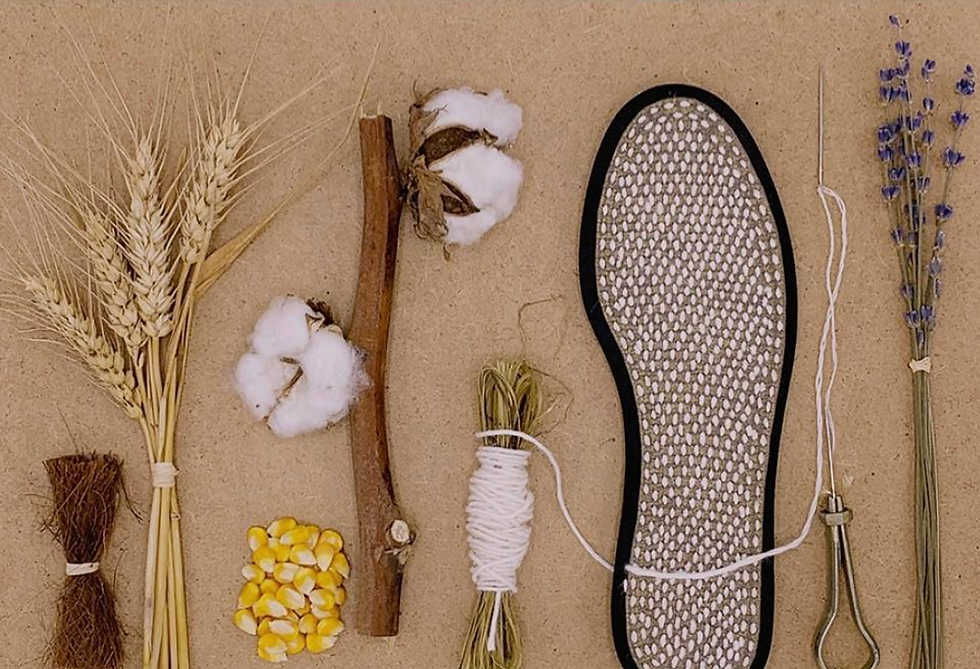
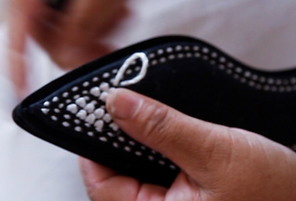
Most shoes we wear today are produced industrially, using large amounts of chemical adhesives, which results in almost zero breathability in the soles. Since the pelma is the main area for sweating, this leads to various foot health issues. Multi-layer cloth shoes, however, use a special stitching technique with hemp rope instead of glue, providing excellent breathability. As a result, those who frequently wear cloth shoes rarely experience athlete's foot.
-
Multi-layer cloth shoes have almost zero recognition among contemporary young people due to their outdated style. However, they are still quite popular among the elderly because they are exceptionally comfortable. Therefore, I believe that the comfort and breathability of this craftsmanship have market demand, but the style needs to be redesigned to better align with modern aesthetics.

Objectives
Redesign the shape of the multi-layer cloth shoes to better align with modern aesthetics; upgrade the sole's wear resistance and waterproof properties to suit urban concrete environments; and use branding to give new vitality to this intangible cultural heritage.
craftsmen in ESTEAST community

Process
-
Research
Firstly I did market research and found that there are still some traditional cloth shoes available, but the styles largely remain in the traditional black shape, losing the market and attention of young people. Additionally, due to the complexity of the original craftsmanship, most products only retain the traditional appearance while actually using modern adhesives for bonding, which undermines the functional advantages of the multi-layer cloth craftsmanship.
Additionally, I tried on traditional multi-layer cloth shoes and found them to be very breathable, conforming to the shape of my feet after prolonged wear. However, their pure cloth sole design requires constant attention to wet surfaces. Furthermore, since they were originally designed for wear on land, they are not durable in the concrete environments of modern urban living. These aspects need improvement.
-
Solutions
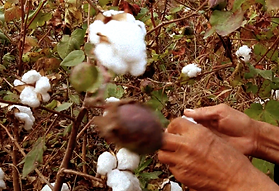
I added a layer of wool felt at the bottom of the sole for a waterproof upgrade, and added a layer of palm leaves on top to provide more effective breathability. Additionally, I incorporated the stitching techniques of handmade leather shoes to enhance the aesthetic appeal of the footwear. Furthermore, I used modern shoe lasts for shaping, ensuring that the final product aligns better with contemporary aesthetics.
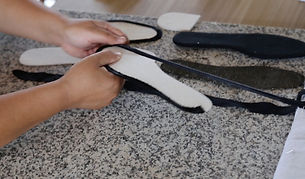
After completing the prototype of the product, I went on to design a series of products and secured orders from overseas boutiques. Next, I spent two months assembling an excellent team of artisans and training them in standardized production processes. Having a unified standard is more beneficial for product manufacturing and marketing.





Challenges
For me, product design and process improvement are not the difficult parts. However, building a small factory from 0 involves people management and production line design, which were all new learning experiences for me at the time. The time span is significant, requiring immense patience. To keep the project running, I also had to consider profit points and expand the market.

showroom in Paris
Results
The project successfully received orders in the first quarter, and over the four years of development, the brand story gradually took shape. The product range expanded from a single fabric material to include leather, and a small number of clothing items were gradually added later. However, the sudden COVID pandemic caused me to lose communication with overseas channels, and the pressure of managing the business ultimately led me to choose to close the project. Nevertheless, my sense of responsibility towards vulnerable groups began to take root in my heart, and I started to form my own product design philosophy, with my design goals shifting towards improving the lives of others and promoting sustainable development.

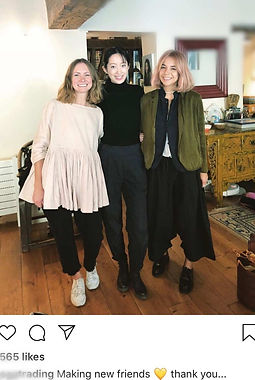
with buyers from egg store in London
Reflection
This is a project of my own that has familiarized me with the entire process of completing a task, including how to face setbacks and how to shift my thinking, among other things. Social enterprises must achieve profitability first in order to sustain themselves and better serve society. Personnel management should be people-oriented, requiring ample empathy to understand talent and motivate the team. There's still so much we can do as designers.

My role
Founder, product design, production engineer, sales, web design.
posts from British & American stores